All Archaeology articles – Page 2
-
 Research
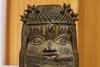
Benin bronzes are made of German brass
Discovery casts new light on the west African artworks, which Nigeria has asked colonial countries to return
-
 Research
Residues from embalming vessels cast new light on ancient Egyptian mummification
Chemists reveal the compounds and sources of embalming treatments
-
 Feature
The smell of history
Nina Notman sniffs out chemistry’s role in uncovering, documenting and recreating the scents of the past
-
 Opinion
The incredible legacy of Tutankhamun
Three-thousand-year-old treasures can still enthral and inspire
-
 Feature
Unwrapping ancient Egyptian chemistry
From mummification to metallurgy, Rachel Brazil looks at the impressive chemistry used by this ancient civilisation
-
 News
NewsSequencing of genomes of ancient human relatives takes medicine Nobel prize
Svante Pääbo’s team sequenced the Neanderthal genome and discovered a previously unknown hominin
-
 Research
Controversy over ancient Chinese bronze chemistry
Study suggests bronze was made from alloys rather than pure metals, but experts remain unconvinced
-
 Feature
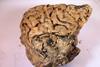
The curious case of the ancient brain
A 2000 year old decapitated Yorkshire man and the ancient proteins in his preserved brain might provide clues to modern diseases, as Hayley Bennett discovers
-
 Research
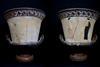
Archaeometric study confirms ancient Greeks used gypsum in white Attic vases
Analysis of the Perseus crater from Agrigento identifies key constituents used in its decoration
-
 Research
Simple campfire chemistry hints how ancient humans produced pigments
Process to make red ochre didn’t require close control of temperature
-
 Research
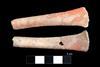
Prehistoric Iberians poisoned by cinnabar almost 5000 years ago
Analyses of mercury levels in bones reveal ancient artists suffered for their craft
-
 Research
Isotope analysis of Vesuvius victims reveals how ancient Romans dined
Herculaneum’s men had greater access to fish, while women relied more on terrestrial animal products
-
 Research
Tooth isotope analysis proves ancient Greek historians wrong
Analysis of ancient soldiers’ 2500-year-old remains suggests they were foreign mercenaries rather than the locals contemporary historians described
-
 Research
Thriving wine trade in Islamic Sicily revealed by the chemistry of its pottery
A new method for determining if pottery containers held wine or other grape products could help archaeologist chart the use of the ancient drink
-

-
 Research
Ancient Maya communities were first to use zeolite to purify water
2000 years ago, people in Tikal were using the world’s most advanced water purification systems
-
 Research
Pompeii’s paintings imperilled by precipitates
Volcanic ash protected the city’s frescos for centuries, now it might hasten their decline
-
 News
NewsRecalibration is the biggest shake-up in the carbon dating world for seven years
Overhaul will improve accuracy and push back how far samples can be dated by 5000 years
-
 Research
Londinium Romans’ blood lead levels so high they may have lowered birth rates
Heavy metal’s levels were more than 70 times higher than pre-Roman populations
-
 Research
Bronze age tin from Israeli shipwrecks was mined in Britain
Isotope analysis matches metal to mines in Devon and Cornwall suggesting ancient trade route existed