Collections
Plastics and polymers
In this collection we explore advancements in plastics and polymers research, covering topics such as polymer synthesis, characterisation techniques, material properties, biodegradable polymers, plastic waste and recycling, and the impact of microplastics and PFAS on the environment and human health.
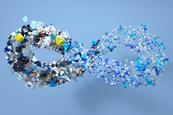
How depolymerisation could enable infinite reuse of plastics
Nina Notman discovers how a type of chemical recycling – depolymerisation – could increase recycling rates, reduce plastic waste and enable a more circular economy

How soft electronics are transforming medical devices
Degradable pacemakers and artificial neurons showcase how flexible, tissue-compatible electronics are revolutionising medicine. But translating these materials from lab bench to clinic requires solving complex structure–function relationships

Magnetic spin waves could slash computer energy consumption
Researchers are developing magnonic processors that use magnetic spin waves instead of electric current to process data. Rachel Brazil discovers how it could potentially reduce energy consumption by 90% and offer new possibilities for neuromorphic computing

How tyres are turning green
As the shift to using renewable and recycled materials in car tyres accelerates, Nina Notman talks to the manufacturers driving the change

Clearing up the compostable plastic mess
Rather than a potential triumph, the compostable plastics we use look increasingly like a tragedy. Andy Extance looks at the problems and seeks solutions

Conserving Barbie from degradation
Although she is a cultural icon, conserving Barbie has its challenges: as with most plastic toys and dolls, she was not made to last. Rachel Brazil investigates how conservation scientists are approaching this sticky problem
Polymers

Covestro cuts polycarbonate production in Europe
Decision attributed to high costs, weak demand and international competition

Industry-sponsored study concludes recycling initiatives outperform cap on virgin plastic production
Cap would cost consumers more than landfill taxes but research didn’t consider health and environment under business-as-usual

Hats off for new, lower temperature route to unzip plexiglass for recycling
Hydrogen atom transfer agents key to solvent-free method to produce pristine monomers from old acrylic

Biomimetic foaming photopolymers offer new waterproof, white material
Light-activated polymers take a leaf from nature’s book in generating structural colour and hydrophobicity which researchers say could find a host of applications

Hideki Shirakawa, who shared chemistry Nobel for discovering conductive polymers, passes away at 90
Collaboration with Alan MacDiarmid and Alan Heeger on doped polyacetylenes ushered in new field of electronics
PFAS
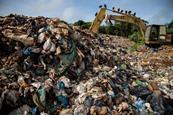
PFAS chemicals represent a human rights threat, UN told
The UN’s current and former toxics advisers are urging an immediate ban on all non-essential uses of these chemicals

Can we have a world without PFAS?
Chemistry World spoke to Rudy Dams, a former 3M scientist, about our uneasy relationship with PFAS, proposed bans and the search for alternatives

New York state sues chemical companies over PFAS pollution
Lawsuit alleges 3M, Chemours, DuPont and others knowingly sold polluting products, and seeks damages and cleanup cost payments

Remediating PFAS pollution in Europe could cost €100 billion a year
Analysis highlights the enormous financial burden of remediating long- and short-chain PFAS contamination

Paint in buildings a huge reservoir of PFAS waiting to enter the environment
Decades worth of chemicals stored in paints that have been applied to homes and businesses
Plastic recycling
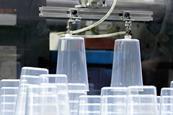
Industry-sponsored study concludes recycling initiatives outperform cap on virgin plastic production
Cap would cost consumers more than landfill taxes but research didn’t consider health and environment under business-as-usual
Hats off for new, lower temperature route to unzip plexiglass for recycling
Hydrogen atom transfer agents key to solvent-free method to produce pristine monomers from old acrylic
Thermo Fisher data manipulation & the shrinking chemical recycling industry
We discuss fabricated images in Thermo Fisher’s online catalogue. And, what barriers are preventing chemical plastic recycling from taking off?

Where does chemical recycling of plastics go from here?
US and EU plant closures highlight economic difficulties of scaling technology alongside associated policy and infrastructure

Chemical recycling plants closing in EU and US
Firms aiming to break down and re-make plastics are struggling with economic feasibility and environmental impact
Microplastics
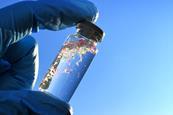
Scientists fear that microplastics may be helping bacteria outsmart antibiotics
Emerging evidence reveals that plastics particles can induce stress and boost exchange of resistance genes

Quantum computing & a mysterious microplastic contaminant
How close are we to using quantum computers in our own labs? Plus, an unexpected source of contamination affecting microplastics research results.

Lab glove deposits drive false microplastic signatures in atmospheric pollution samples
Researchers uncover contamination pathway that’s complicating efforts to understand how much plastic is in the air

California finds no significant risk to human health from synthetic turf fields
After years of conflicting safety findings, the head of the state’s environmental hazard assessment office says this new study should ‘ease concerns’

Questions over microplastics findings don’t mean we are safe, scientists say
Researchers seek to overcome measurement issues arising from field’s youth, while some criticism has turned into harassment
Sponsored

Advantages of monodisperse PEG in drug development
Precision matters: why monodisperse PEG is transforming drug development.

Chemistry wordoku #140
Find the name of a Russian-Canadian polymer chemist in this sudoku-style puzzle

Digital product passports: building radical transparency for polymers in liquid formulations
Industry giants join alliance that is working to develop a digital record that will track a product’s entire lifecycle and environmental impact

Industry and academic leaders unite to drive polymer sustainability
Leading industry figures and academics talk about the challenges faced in the transition to sustainable PLFs

Advances in lignin-derived polymers: Enhancing toughness and creating sustainable thermosets
Join us to discover how the rapid development of bio-based thermosets is transforming polymer science

Evaluating safety and performance of recycled plastics
Download this free bundle now and explore ways to tackle the challenges we face when screening recycled plastics for safety and material properties.
 Business
Covestro cuts polycarbonate production in Europe
Decision attributed to high costs, weak demand and international competition
 Podcast
Waterproof white inspired by nature & low-stakes mistakes
How can structural colour provide an alternative for pigments, chemicals and their environmental cost? And the Chemistry World team discusses their low-stakes mistakes.
 News
NewsIndustry-sponsored study concludes recycling initiatives outperform cap on virgin plastic production
Cap would cost consumers more than landfill taxes but research didn’t consider health and environment under business-as-usual
 Research
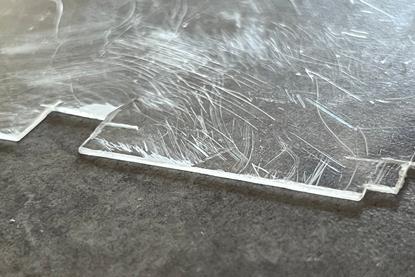
Hats off for new, lower temperature route to unzip plexiglass for recycling
Hydrogen atom transfer agents key to solvent-free method to produce pristine monomers from old acrylic
 Research
Biomimetic foaming photopolymers offer new waterproof, white material
Light-activated polymers take a leaf from nature’s book in generating structural colour and hydrophobicity which researchers say could find a host of applications

 News
NewsHideki Shirakawa, who shared chemistry Nobel for discovering conductive polymers, passes away at 90
Collaboration with Alan MacDiarmid and Alan Heeger on doped polyacetylenes ushered in new field of electronics
 Research
Waste chlorine upcycled into valuable materials using simple resin
Polystyrene-based resin could capture chlorine lost in industrial waste streams
 Podcast
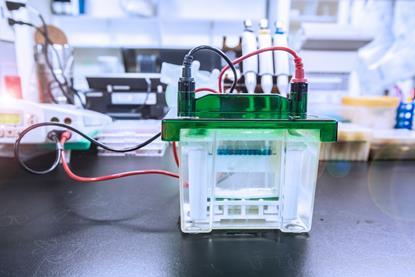
Thermo Fisher data manipulation & the shrinking chemical recycling industry
We discuss fabricated images in Thermo Fisher’s online catalogue. And, what barriers are preventing chemical plastic recycling from taking off?
 Opinion
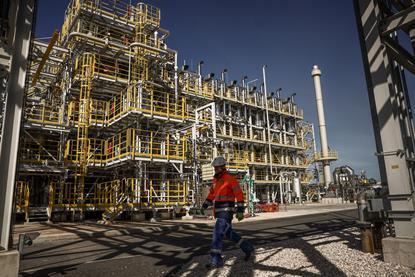
Where does chemical recycling of plastics go from here?
US and EU plant closures highlight economic difficulties of scaling technology alongside associated policy and infrastructure
 Business
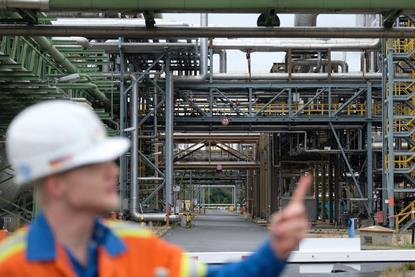
Chemical recycling plants closing in EU and US
Firms aiming to break down and re-make plastics are struggling with economic feasibility and environmental impact
 Opinion
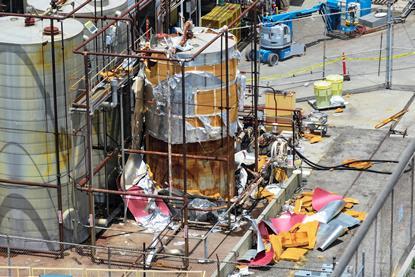
Early lessons from the Garden Grove chemical incident
A runaway polymerisation raises questions about safety measures and their backups
 Research
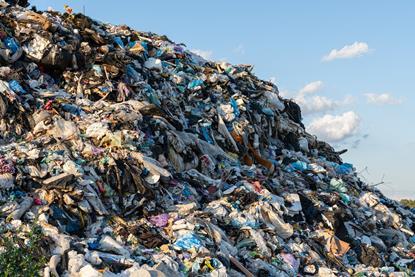
Chemical treatment slashes emissions of making hydrogen from plastic waste
Process can produce hydrogen from polyethylene and polypropylene more cleanly than from natural gas
 Research
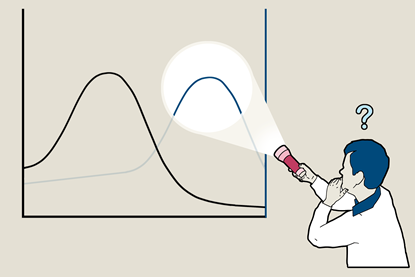
How a chance discovery overturned one of photochemistry’s oldest dogmas
The first hints of what’s behind the seemingly illogical mismatch between photochemical reactivity and absorptivity could finally end a team’s 10-year struggle to get their results taken seriously
 News
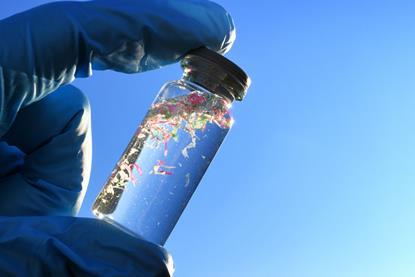
NewsScientists fear that microplastics may be helping bacteria outsmart antibiotics
Emerging evidence reveals that plastics particles can induce stress and boost exchange of resistance genes
 Business
Olin and Huntsman to merge, creating $12 billion chemical giant
Deal will combine a large chlor-alkali producer with a major user of chlorine and derivatives
 Business
EU looks to boost protective trade policy against Chinese imports
Critical Medicines Act and rumoured chemicals rules aim to decrease China’s supply chain dominance
 Podcast
Quantum computing & a mysterious microplastic contaminant
How close are we to using quantum computers in our own labs? Plus, an unexpected source of contamination affecting microplastics research results.