Inorganic chemistry – Page 20
-
 Research
Inert helium reacted with sodium in chemistry first
Spartan field of helium chemistry given a lift with new sodium compound
-
 Podcast
Solvated electrons
Blue flashes and metallic water are just some of the tricks associated with the unleashed electron
-
 Research
Stable polynitrogen synthesis first blows everyone away
Creation of five-membered aromatic nitrogen ring opens door to new highly energetic rocket fuels and explosives
-

-

-
 Research
Bismuth superconductor leaves theory up in the air
Discovery of superconductivity at exceptionally low temperatures confounds current understanding of the phenomenon
-
 Research
First double salt containing negative platinum ions
New material has platinum in -2 oxidation state
-
 News
NewsIupac confirms names for four new elements
Elements that complete seventh row of periodic table will be named nihonium, moscovium, tennessine and oganesson
-
 Feature
What it takes to make a new element
Yuri Oganessian tells us how nihonium, moscovium, tennessine and oganesson were made
-
 News
NewsExplainer: How a new element gets its name
Now that the names of the last four elements of the seventh row of the periodic table have been confirmed, we look at the how they got them
-
 Research
Chemists knock platinum complex flat
Relativistic effects stabilise square planar platinum(0) complexes
-
 Research
Theory finds window for astatine species’ existence
Researchers take investigation of iodine–astatine–bromine trihalogen anion into the lab
-
 Research
Microscopy reveals secret of beryl’s iron heart
Discovery of metal stuffed channels in mineral family that includes emerald and aquamarine points way to tuning the material’s colour
-
 Research
Titanic calculations reveal nickel isotope is ‘doubly magic’
Supercomputer confirms nickel-78 is highly stable
-
 Research
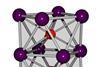
First ever iron–bismuth binary compound
Compound containing solid state iron–bismuth bond crystallised under extreme temperature and pressures
-
 Podcast
Neodymium chloride
From medicine to the military, this compound makes lasers for a range of applications
-
 Research
A new recipe for black phosphorus
Chemists develop a new method to produce supported black phosphorus with applications in catalysis
-
 Research
Copper key to our sensitivity to rotten eggs' foul smell
Central role that metals play in detection of noxious sulfur compounds is unknown among any other odour receptor
-
 Feature
New MRI contrast agents
With rising concerns over gadolinium, Anthony King looks at the alternatives under development
-
 Research
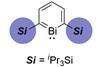
Chemists create stable bismuth benzene derivative
Bismabenzene is the first isolated derivative to contain period 6 element