Organic chemistry – Page 24
-
 Research
Algorithm discovers how six simple molecules could evolve into life’s building blocks
Program shows how micelles, catalysts and self-replicating chemical systems emerge from abiotic precursors
-
 Research
Chemistry Nobel predictions range from organometallic chemistry to DNA synthesis
Crispr is favoured by chemists while publication analysis forecasts winners working on nanocrystals, organometallic chemistry and supramolecular self-assembly
-
 Feature
Homogeneous C–H activation
In the final instalment of our grails series we look at how picking and choosing which bond to target holds the promise of transforming organic molecules at will
-
 Feature
Direct observation of the transition state
The mystery of precisely what happens when one chemical reacts to form a new one is now being revealed in ever greater detail
-
 Research
Carbon bond formation reproducibility runs into reagent stability problem
Solid sodium alkoxides react with carbon dioxide and can hamper performance – but sometimes improve it
-
 Research
DNA-compatible C–H activation method set to benefit drug discovery
Larger and more diverse DNA-encoded libraries on the cards thanks to new tool
-
 Research
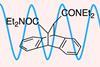
Retro-Diels–Alder study links solvent viscosity to reaction rate under microwave heating
New study helps to establish the parameters for microwave-specific rate enhancements observed in certain reactions
-
 Research
Hybrid light–matter particles offer tantalising new way to control chemistry
Early experiments are revealing that vacuum-field catalysis could make reactions happen with mirrors and nothingness
-
 Research
Ultra-fluorinated cyclohexane shows off two faces
1,2,3,4,5,6‐hexakis(trifluoromethyl)‐cyclohexane is the most sterically crowded all-cis derivative
-
 Research
Simple lipid networks combine self-assembly, replication, competition and inhibition
Artificial cells have previously lacked the complexity that is distinct to natural life but scientists are edging closer
-
 Research
Largest hollow cage molecule yet made from 1000 atoms
Giant polyoxymetalate cluster contains 240 molybdenum, 740 oxygen and 20 sulfur atoms
-
 Research
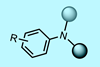
Aniline synthesis turns to photochemistry to access challenging targets
New photochemical strategy could jump in where common cross-coupling reactions fall short
-
 Research
Triple mechanochemistry mechanism might be a first for organic chemistry
Discovery of how molecular tuning influences mechanism could be used in self-healing polymers or in plastics that break down upon mechanical activation
-
 Research
NMR findings suggest solution to enhanced diffusion dispute
Energy release rate may solve the puzzle of why the phenomenon is seen in some systems but not others
-
 Research
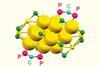
Surface sites on gold catalyst edited to control regioselectivity of a click reaction
Steric hindrance created by phosphine ligands restricts how substrates approach catalyst
-
 Feature
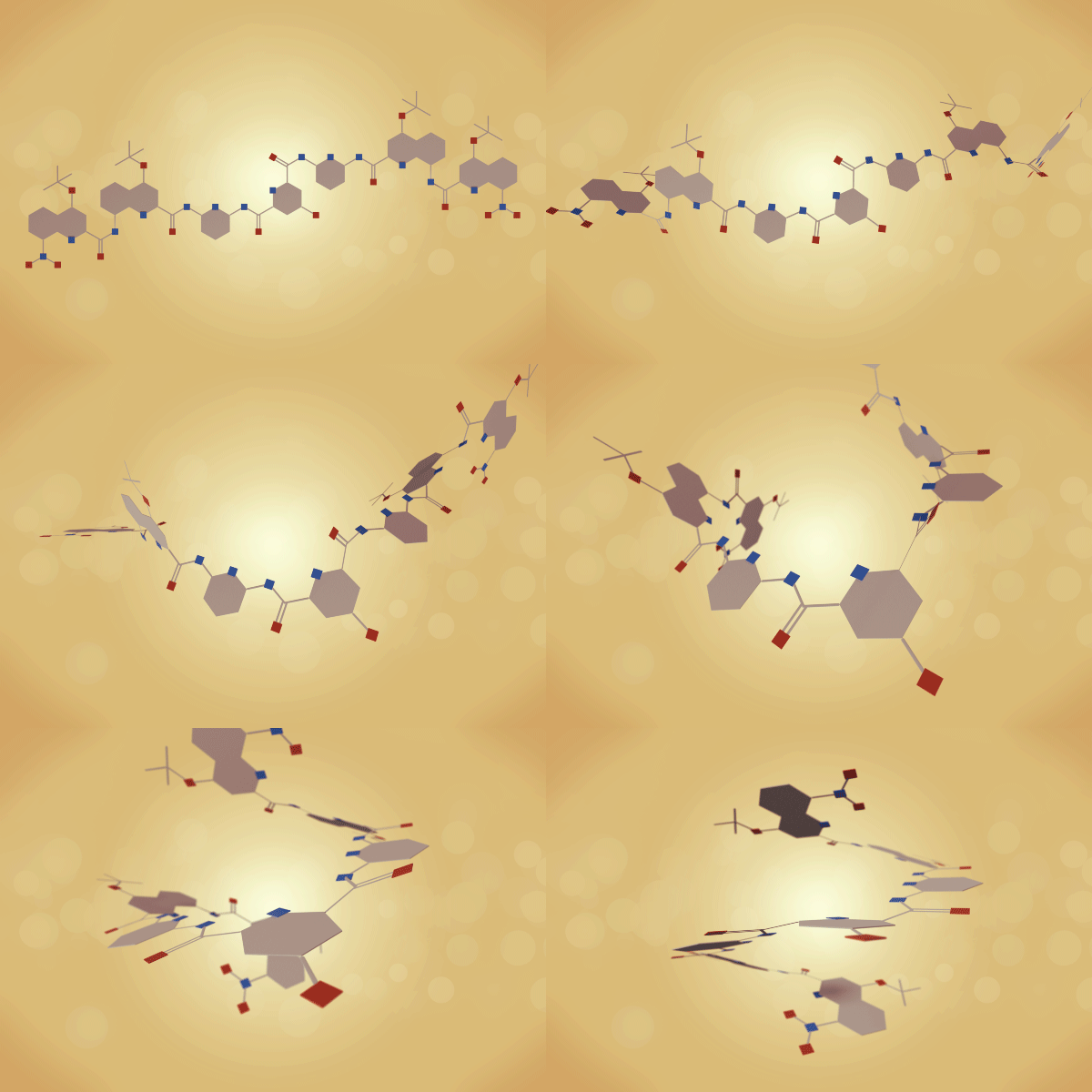
The function of folding
Can chemists make molecules that fold up as well as proteins? Rachel Brazil talks to the people trying to create foldamers
-
 Research
Macrocycles slide freely across carbon nanotubes
Simulations suggest macrocycles show superlubricity at room temperature
-
 Research
‘Nanolympiadane’ created from supramolecular building blocks
A self-assembly approach has enabled the synthesis of large interlocked rings including a structure that resembles the Olympic logo
-
 Research
Mechanism maps predict chemoselectivity of NHC-catalysed transformations
Product forecasts from energy barrier calculations will help guide organocatalytic reactions
-
 Opinion
Ghanaian biochemistry TV star Marian Addy
Marian Addy was the first female science professor in Ghana, who studied herbal medicine – and was a TV star